Ideas & guides

From the blog

Practical lighting guides: how much light a room needs, which colour temperature to buy, and why a dimmer and an LED sometimes disagree.

Amit

Lumens, watts and lux: how bright is bright enough?

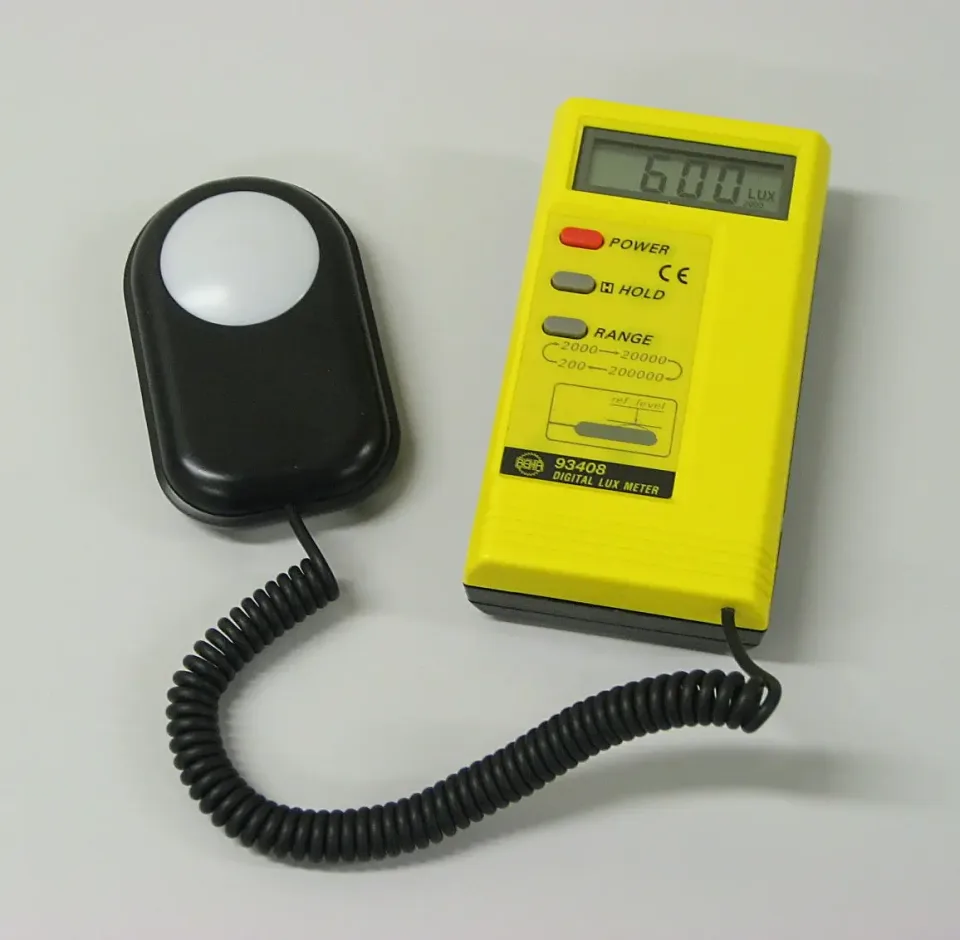
Two LED lights can both say 9 watts on the box and yet one lights a room while the other barely manages a corner — because watts never measured brightness in the first place. They measure what a light consumes. What it produces is lumens, and what actually lands on your book or worktop is lux. This post separates the three numbers properly: where the buy-by-watts habit came from and why it broke, what each unit really counts, why the same bulb gives different lux in different spots, and the one honest efficiency score — lumens per watt — that explains why two "identical" bulbs are nothing of the sort. It closes with the typical lux ranges lighting standards recommend for each room, and a simple way to shop: choose the lumens, check the lumens per watt, then think about where the light will land.

Read article

Amit

Colour temperature explained: warm, neutral and cool LED light

Two rooms can have the same lamp, the same wattage and the same number of lumens, and still feel completely different — one like a fireside, the other like a dentist's chair. The difference is a single number printed on the box: the colour temperature, in kelvin. This post explains where that number comes from (a glowing lump of metal, honestly), why the scale runs backwards — low numbers warm, high numbers cool — and what the stops along it actually look like, from candlelight near 2000K to overcast daylight at 6500K. It then walks room by room through the practical choices, separates colour temperature from the two things it is constantly confused with — brightness and colour rendering — and finishes with the evening-light question, answered the careful way the evidence allows.

Read article

Amit

COB vs SMD: Which LED Type Suits Which Light?

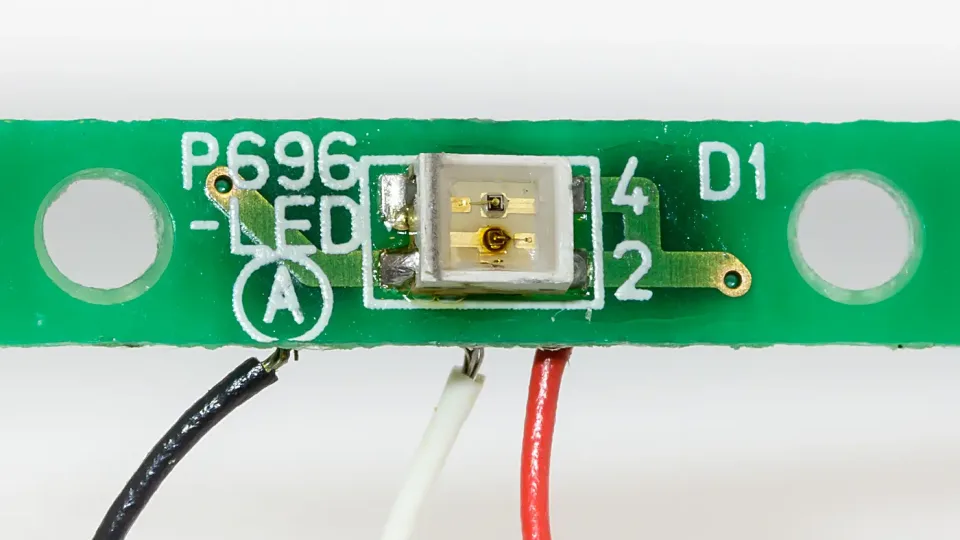
COB and SMD are two ways of building almost every LED light you will ever buy, and neither is "the better one". A COB packs many bare chips onto a single plate under one phosphor coating, so it shines as one even disc of light that a reflector can aim precisely — the natural choice for downlights and spotlights. An SMD mounts individually packaged chips across a board, spreading light wide and gentle, which is why panels, strips and bulbs use it. This article compares the two fairly: how each is built, how the light looks, glare, heat, what happens when one fails, and a simple rule for choosing — focused beam, think COB; broad even coverage, think SMD. It also settles two common mix-ups along the way: neither format automatically lasts longer than the other, and the dots visible through a cheap panel cover are a diffuser problem, not a chip problem.

Read article

Amit

SMD LED numbers decoded: 2835, 5050, 5630 — what the numbers really mean

Every LED strip and panel light you shop for waves a four-digit number at you — 2835, 3528, 5050, 5630 — and it is very tempting to read it as a brightness score. It isn't one. Those digits are simply the size of the little surface-mount package, measured in tenths of a millimetre: a 2835 is 2.8 mm by 3.5 mm, a 5050 is 5.0 mm square. This post shows you how to read any SMD number in seconds, introduces the sizes you'll actually meet, and then deals with the expensive misunderstanding the numbers cause — that a bigger number means a brighter light. It doesn't. What decides brightness is the die inside the package, the current it runs at, and how many chips share the metre. Once you know that, you can compare two strips honestly instead of guessing from a number that was only ever a measurement.

Read article

Amit

UV LEDs and IR LEDs: what they are actually for — and what they are not for

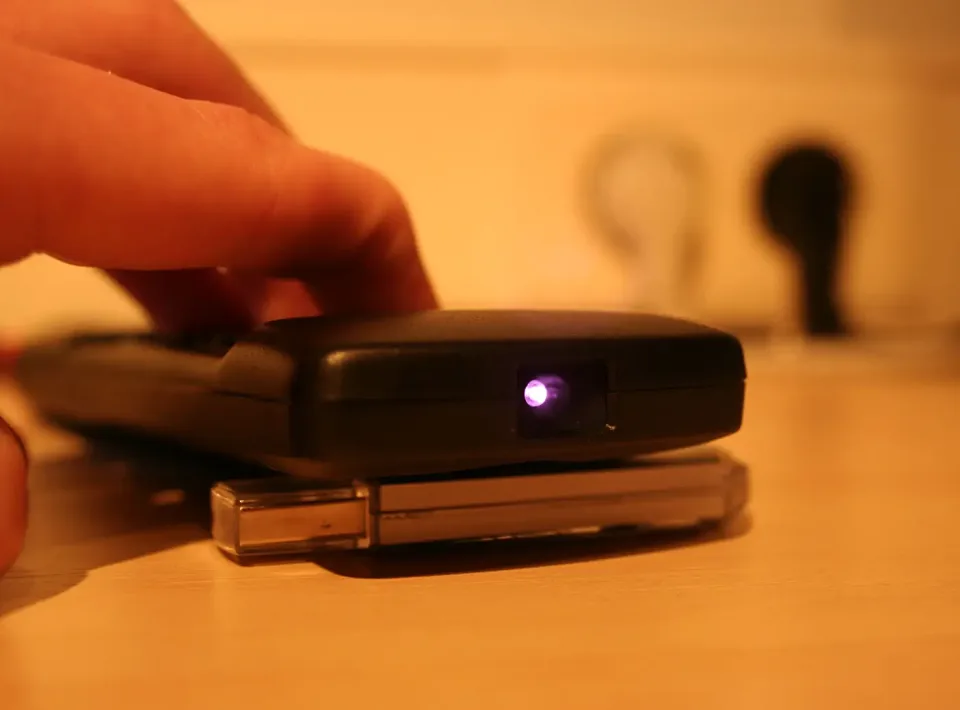
The hardest-working LEDs in your home emit light you cannot see. An infrared LED blinks coded orders at your television and air conditioner. Ultraviolet LEDs harden printing ink, adhesives and gel nails, and make the hidden marks on banknotes glow. A third kind, UVC, can genuinely kill germs — and genuinely burn your eyes, which is why the honest versions live inside ducts and cabinets, not in a wand waved around the living room. This post sorts the real jobs from the marketing: what UV and IR LEDs actually do, the wavelengths that matter (365, 850, 940 nanometres and friends), why your phone camera can see a remote control's flash when you can't, and which claims — ten-second sterilisers, infrared heaters, tanning gadgets — deserve a flat no. Plus the two safety rules that actually matter: never treat UVC as a toy, and never trust a wavelength the seller won't print.

Read article

Amit

Types of LED, Plainly Explained: DIP, SMD, COB, High-Power and Filament

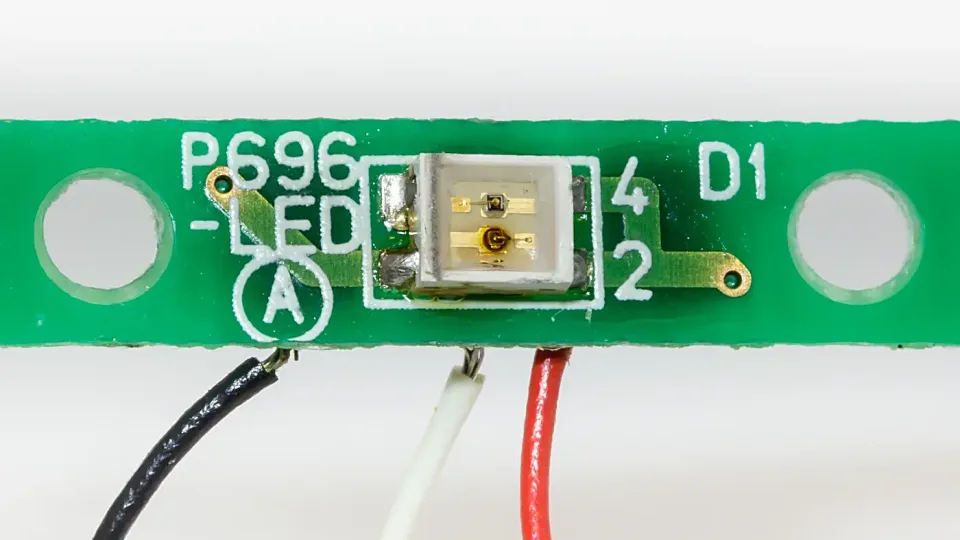
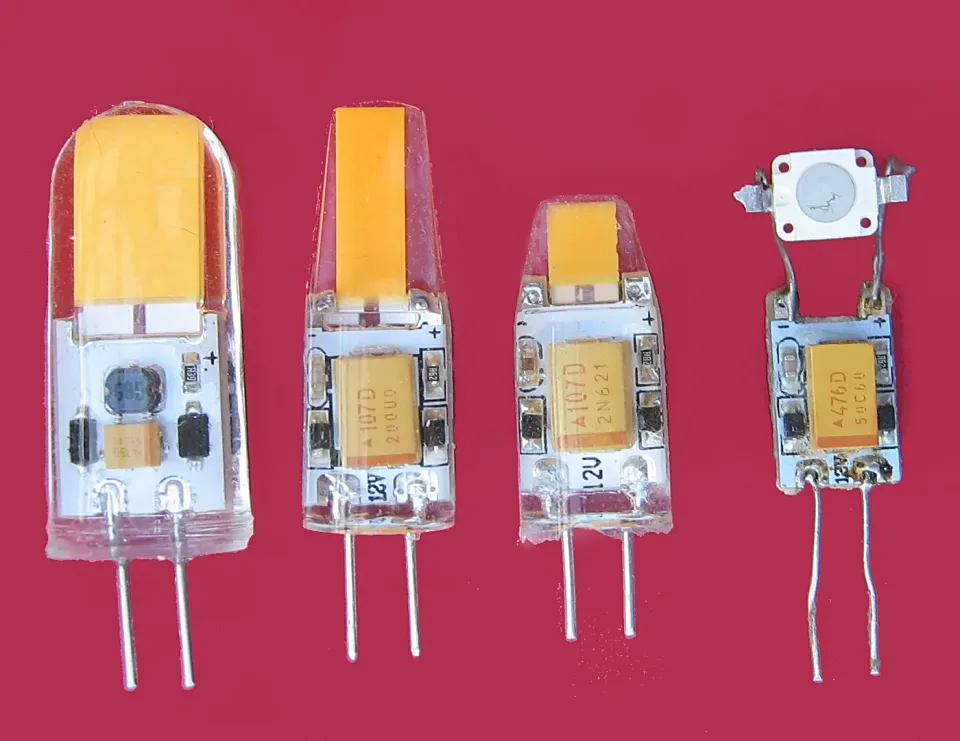
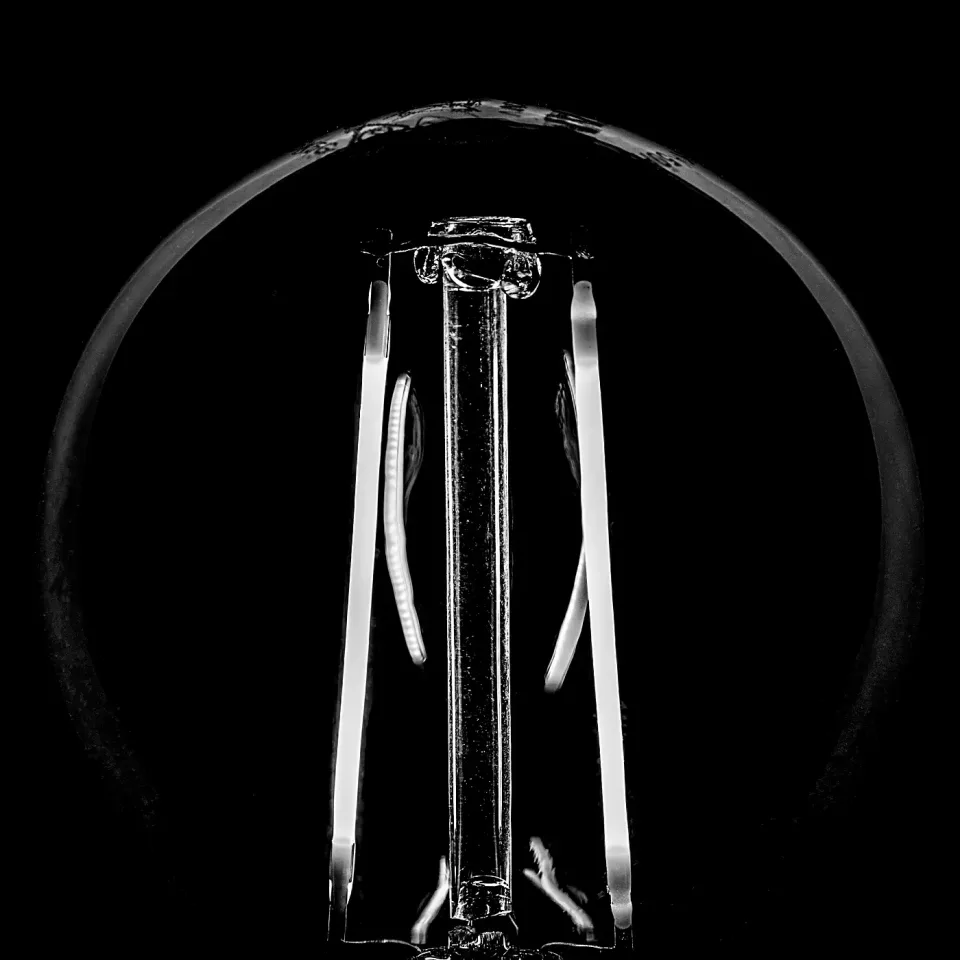
Stand in a lighting shop and you will hear DIP, SMD, COB, high-power, filament — five names that sound like five different inventions. They are not. Every one of them is the same semiconductor chip doing the same trick, turning electricity into light. What changes is the packaging: how the chip is mounted, how its heat escapes, and how its light is shaped. That packaging decides what the LED is good at. DIP is the tough old indicator lamp. SMD is the flat chip inside almost everything modern. COB packs many chips onto one plate for a single bright disc of light. High-power is one chip working hard, with a heatsink to prove it. Filament strings tiny chips along a strip inside a glass bulb, pretending to be a vintage wire. Once you can spot each one, the shelf makes sense.

Read article

Amit

How to install an LED light safely — bulb & strip basics

Swapping a bulb or sticking up an LED strip is genuinely a ten-minute job — as long as you do things in the right order. This guide walks through the four steps in that order: gather the right materials (and check the holder before you buy), turn the power off properly rather than trusting the wall switch, fit the bulb or strip the way it wants to be fitted, and test it like a sceptic. Along the way it covers the checks that decide whether the new light lasts for years or dies in a week: holder type and wattage limits for bulbs, and for strips, matching the power supply's voltage, respecting polarity, cutting only at the marked points, and never — ever — switching a strip on while it is still coiled on its reel. It closes with the four mistakes that kill new lights early. Everything here is checked against electrical-safety guidance and installers' manuals, not guesswork.

Read article

Amit

Are LED lights safe? Eyes, home and health — what the evidence actually says

Short answer: yes, for normal home use, LEDs are among the safest lights you can buy — no mercury, almost no UV, and far less heat than the bulbs they replaced. But "safe" has fine print. A cheap driver can flicker enough to give you headaches. A bulb trapped in a sealed fitting slowly cooks itself. Bright, cool-white light late in the evening can push your sleep later. This is what eye doctors, European safety scientists and government energy agencies actually say — including where they don't fully agree with each other — plus the two things an Indian buyer can check in the shop itself: the BIS registration mark on the pack, and whether the bulb is rated for enclosed fittings. It finishes with the bit almost everyone gets wrong: what to do with a lamp when it finally dies.

Read article