Ideas & guides

From the blog

Practical lighting guides: how much light a room needs, which colour temperature to buy, and why a dimmer and an LED sometimes disagree.

Amit

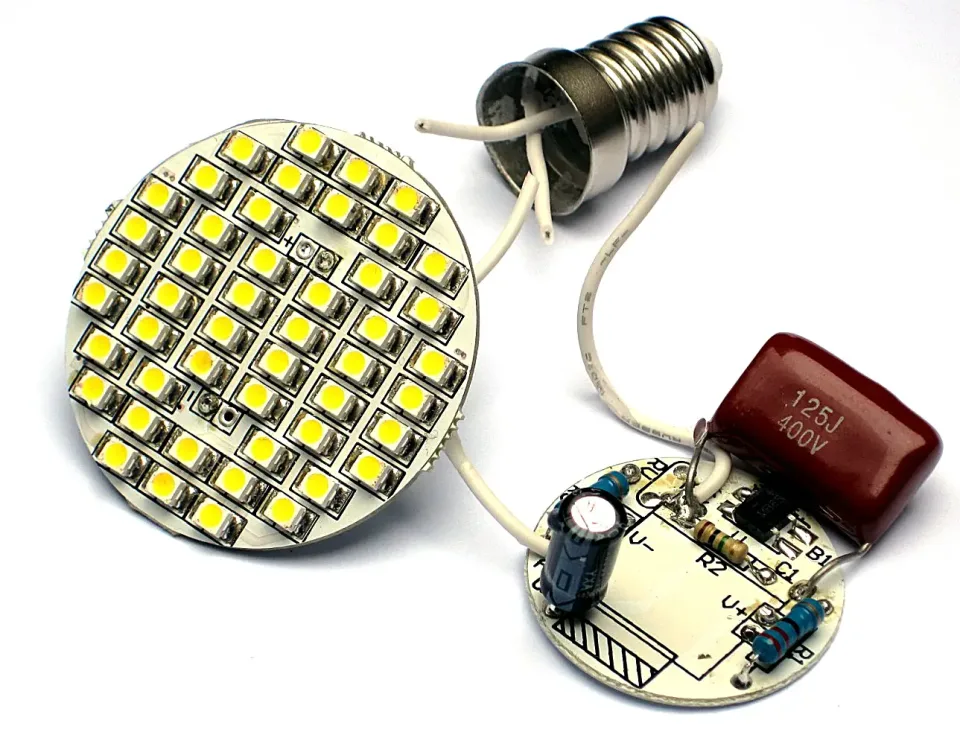
Why cheap LED lights die early: where the money was saved, part by part

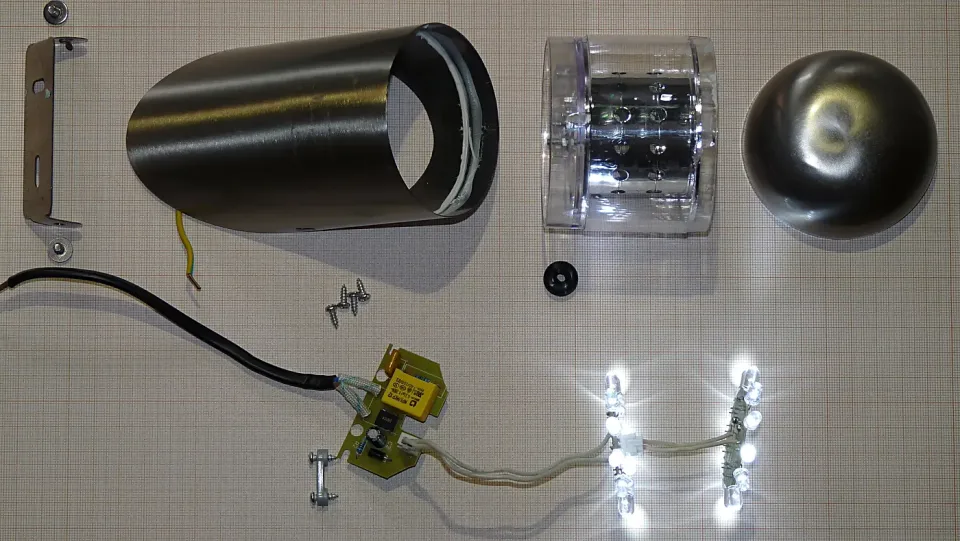
A bulb that promised 15,000 hours and died inside a year rarely died because its LED chip wore out — chips usually fade slowly, they don't switch off. Something cheaper and quieter gave up first. This post maps the four places money disappears when an LED light is built down to a price: a driver with no margin, a heat path made of plastic and hope, chips bought from the wide end of the sorting bins, and protection and assembly corners cut where you can't see them. It lays out the failure timeline those savings produce — early flicker, fast fading, dead within a season or two — and then argues the honest counterpoint: a simple, well-made budget light in an open fitting can outlive a fancy one cooking in a closed shade. It ends with the checks a buyer can actually do in the shop: heft, label, warranty, and the seller's return desk.

Read article
Amit

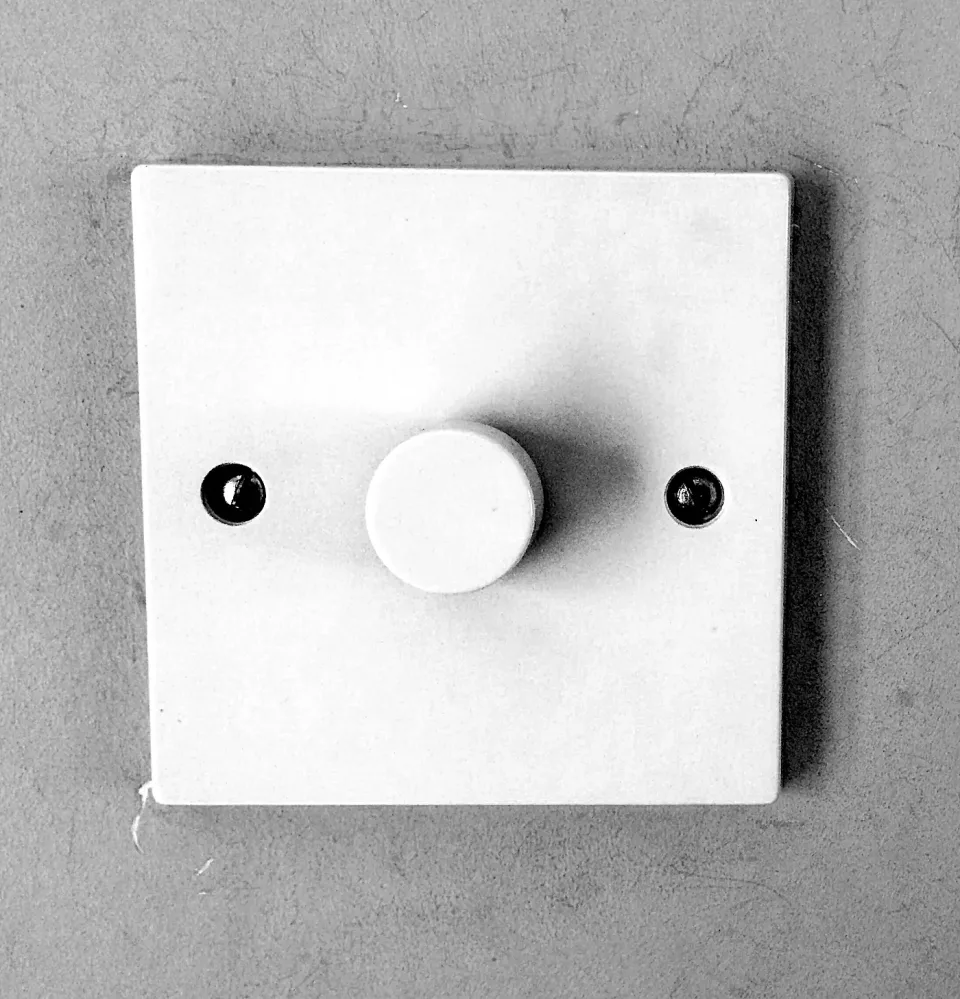
Dimmable LED lights and dimmer switches: making them get along

Screw a dimmable LED light into a fitting run by an old wall dimmer and you can get flicker at the bottom of the range, a bulb that refuses to start until the knob is a third of the way up, a faint buzz, or a light that gives up and drops out halfway down. None of that means the bulb is faulty. Dimming an LED light is a negotiation between two electronic devices — the dimmer, which chops the mains waveform into pieces, and the bulb's driver, which has to read those pieces as an instruction. When the two were never introduced, they argue. This post explains what each side is doing, why an incandescent never had this problem, what the four classic symptoms are telling you, and the honest ladder of fixes — from checking the maker's compatibility list to the option that skips the wall dimmer altogether.

Read article

Amit

An LED light for every room: a room-by-room guide

Most homes are lit by habit: one ceiling light per room, whatever bulb was on offer, and a vague feeling that the kitchen is somehow both gloomy and glaring. This guide replaces the habit with a method. Three moves do most of the work — aim at a target lux for the room's job and turn it into lumens with one multiplication, slide the colour temperature from warm to neutral depending on whether the room is for resting or working, and build the light in layers instead of asking one fitting to do everything. Then it walks the house room by room: the layered living room, the kitchen's two-level trick, the desk, the bedroom, the bathroom mirror, the stairs, and the balcony after dark — with one table that sums the whole house up.

Read article

Amit

What is an LED chip? How a tiny chip turns electricity into light

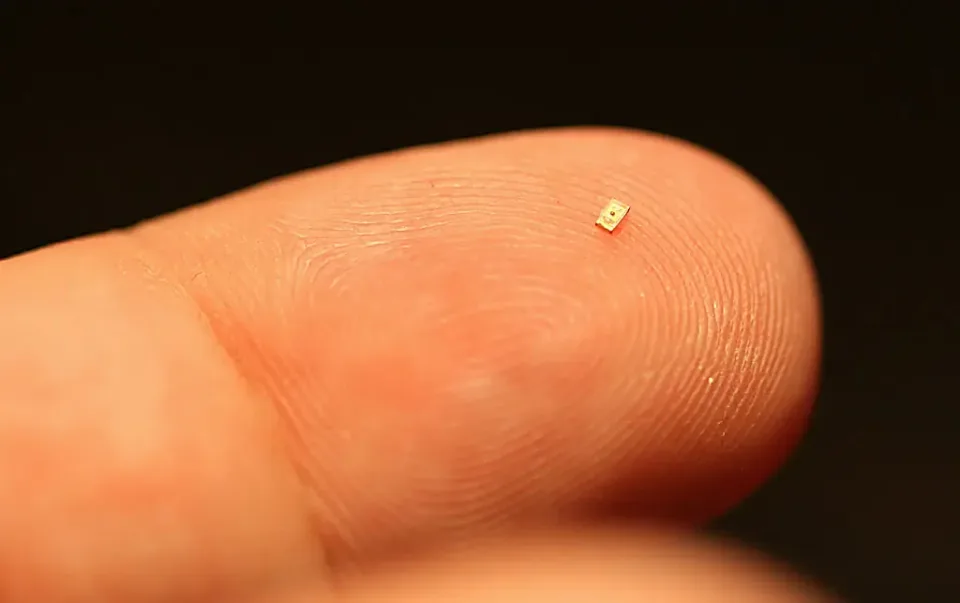
Every LED light, from a tiny indicator lamp to a stadium floodlight, starts life as the same thing: a sliver of semiconductor smaller than your fingernail, built with two subtly different halves. Electricity pushes loose electrons from one half into empty spaces — holes — in the other, and each time an electron drops into a hole it pays for the fall with a flash of light called a photon. Pick the material and you pick the size of the fall, which is why the material decides the colour, why a white light is really a blue chip wearing a phosphor coat, and why this delicate chip needs a driver feeding it steady current and a metal path carrying its heat away. This is that story, told slowly.

Read article

Amit

Solar LED lights: the pre-monsoon check that saves them

A solar LED light almost never dies suddenly. It fades — a shorter night here, a dimmer corner there — and the monsoon, with its grey weeks and driving rain, is when the fading turns into failure. The good news is that nearly everything the rains will exploit is visible in May or June, in daylight, for free: the dust film throttling the panel, the battery quietly losing its stamina, the gasket that has gone hard, the bracket working loose, the ants moving into the junction box. This post is a six-part check that takes about fifteen minutes per light: clean the panel properly, runtime-test the battery, inspect the seals, tighten and tilt the mounting, clear wires and sensors — and then set honest expectations for what monsoon weeks will do to even a healthy light. No instruments, no purchases, no ladder work — just eyes, hands, a soft cloth and one timed evening.

Read article

Amit

How to read an LED light's label like an electrician

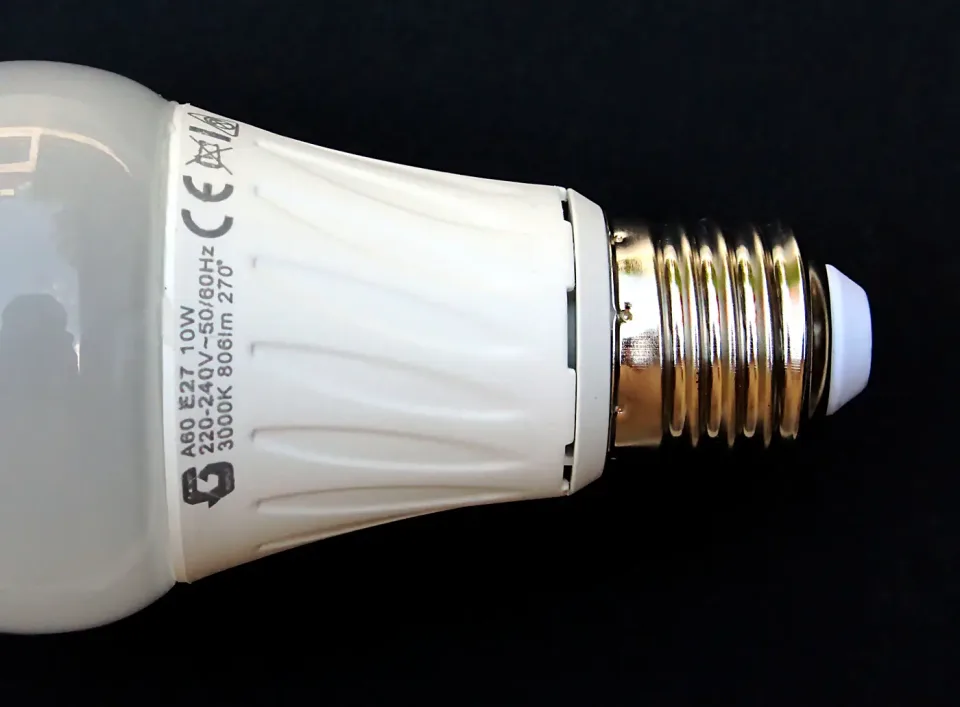
An electrician picks up a lamp box and reads it in about ten seconds — not because the label is simple, but because they know which numbers answer which questions, and in what order to ask them. This post walks an LED light's label field by field, the way that reading actually goes: lumens first, because brightness is the job; watts second, because that's the running cost; then the two divided together for the efficiency check no seller can argue with. After that come the colour fields — Kelvin for the colour of the light, CRI for how honestly it shows the colours of everything else — then fit and supply: base code, voltage range, IP code, power factor. It finishes with rated life and what L70 really promises, the BEE star label you'll meet on Indian lamps, and the red flags that should send a box straight back to the shelf.

Read article

Amit

LED polarity and pinout: which leg is which, and how to be sure

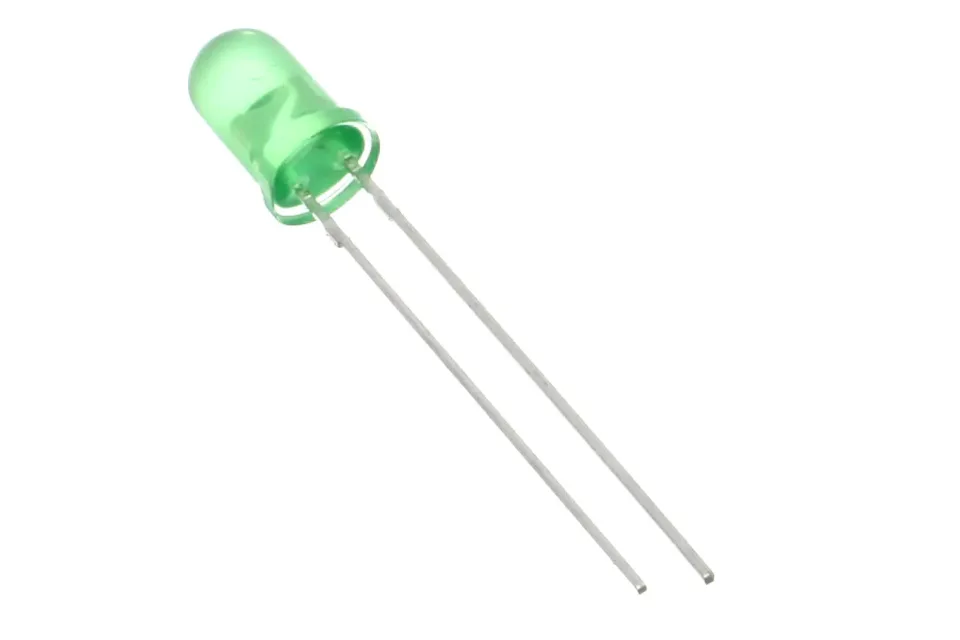
Every LED has a right way round, and getting it wrong rarely breaks anything — it just gives you a dark circuit and a long, confusing evening. The good news is that LED packages carry their polarity on their bodies: a longer leg, a flat side on the rim, a bigger piece of metal inside the dome, a green dot or a notch on a surface-mount chip. This post walks through every one of those clues, for through-hole, SMD, COB and RGB packages — and then is honest about their limits, because markings follow each maker's habits, not one world standard. It finishes with the two authorities that never lie: the part's datasheet, and a ten-second test with a multimeter in diode mode that names the anode and cathode beyond argument.

Read article

Amit

Build a simple LED circuit: the resistor maths, done slowly

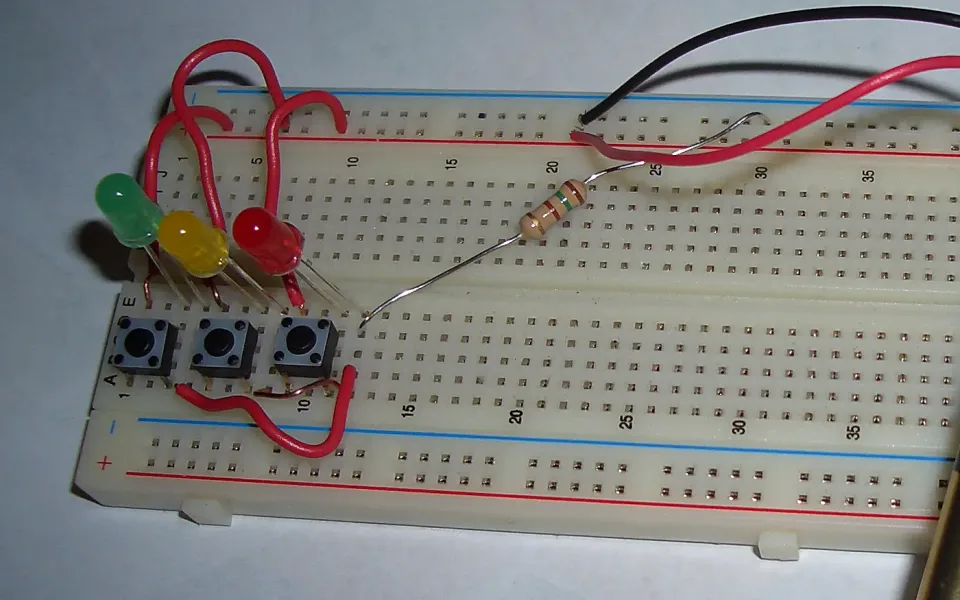
Every electronics beginner meets the same first circuit: a battery, a resistor and one small LED. It looks too simple to need a guide — until the LED dies in a day, or refuses to light at all, and it turns out both failures were decided by one short calculation nobody did. This post does that calculation slowly. You will collect three numbers (your supply voltage, the LED's forward voltage for its colour, and the current you actually want), turn them into a resistor value with one subtraction and one division, pick the right standard resistor off the shelf, and build the loop on a breadboard. Then it deals honestly with the two questions everyone asks next — can several LEDs share one resistor, and why does a coin cell get away with no resistor at all? Batteries and breadboard only; nothing here touches mains electricity.

Read article

Amit

How to solder LED chips without cooking them

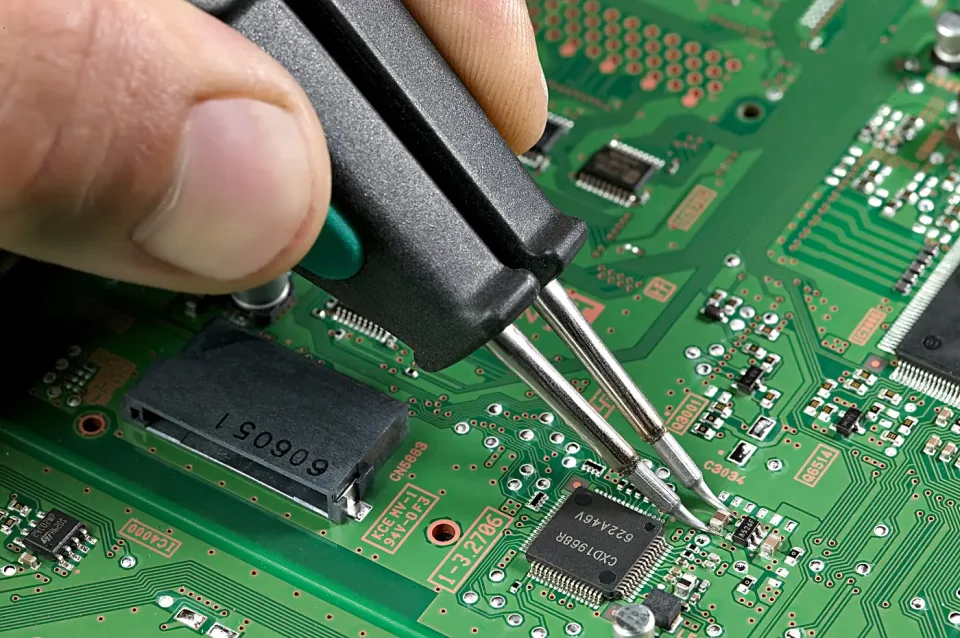
An LED chip is built to be soldered by a machine, in an oven, all joints at once. Hand soldering asks it to survive something ruder: one very hot iron tip, one joint at a time, inches from a plastic lens. It survives fine — if you respect the limits the chip makers actually print. Most of them cap hand soldering at 300 to 350 degrees and 3 seconds of contact, some allow less, and several say hand-solder only once. This post walks through the four steps that keep you inside those limits: a proper set-up, tacking one side first, finishing and inspecting the second side, and testing gently at low current. It also covers the honest alternatives — connectors and pre-soldered boards — for when the iron is simply the wrong tool.

Read article

Amit

How to replace a burnt COB LED chip, step by step

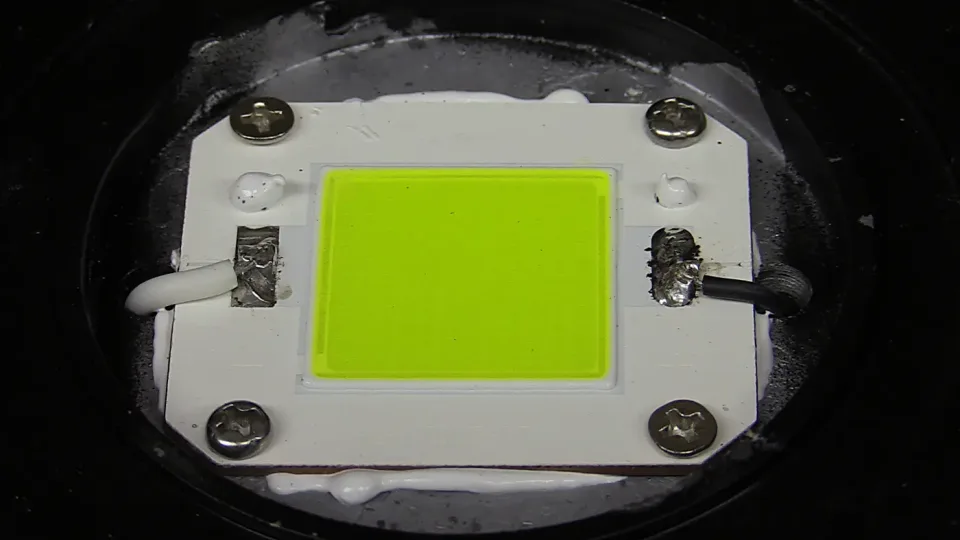
When a COB light dies, the fitting usually isn't dead — one yellow-faced chip on its heatsink is. Replacing that chip is one of the most satisfying repairs in LED lighting, but only if you do it in the right order. This post walks through the four steps: first prove the chip is really the fault, because a dead driver wears exactly the same disguise; then match the replacement by its printed specs — plate size, light-emitting surface, forward voltage, current class and colour temperature — never by wattage alone; then remove the old chip and renew the thermal paste, because the heat path is what decides whether the new chip lives for years or months; and finally seat it flat, solder it the right way round, and test it briefly before closing everything up. It also covers the honest stopping points: the sealed light, the scorched heatsink and the fitting whose driver died with its chip.

Read article

Amit

How to test an LED chip with a multimeter

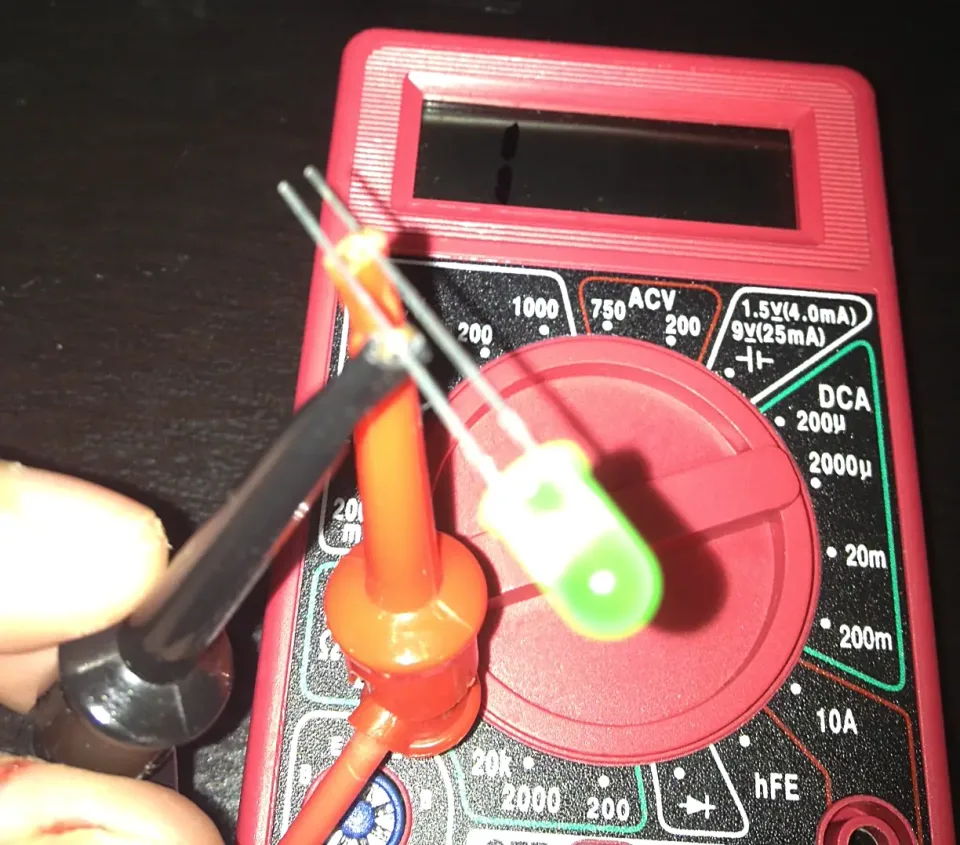
When an LED light dies, the argument in most workshops is about which part gave up — the chip or the driver. A multimeter settles it in about ten seconds, if you use the right mode. This post walks through testing an LED chip with the meter's diode mode: what that mode is actually doing (sending a tiny test current through the chip and showing you the voltage it drops), how to probe a chip so it answers honestly, and how to read the three results you'll ever get — a voltage, OL, or something near zero. It also covers the traps: a healthy white chip that reads OL because the meter can't reach its voltage, strings and COB boards that no meter can light end-to-end, and boards that lie to you because the chip is still soldered in. Bench work only: removed, unpowered parts, never a light that's plugged in.

Read article

Amit

LED light troubleshooting: the glow, the buzz, the dark patch — what each symptom is telling you

An LED light rarely fails silently. It glows after you've switched it off. It buzzes. It works for twenty minutes, gives up, then quietly comes back on. A strip loses one section; a white light turns faintly pink. Each behaviour is a symptom with a short list of likely causes — and usually one cheap first check that separates them. This post works through eight symptoms in a table, then one by one: why a switched-off light can glow (a trickle of current an older bulb would never have noticed), why buzzing is the driver vibrating rather than the chip singing, why a light that cuts out hot and returns cool is protecting itself, and why the driver — not the LED chip — is the first suspect when a light dies outright. It ends with the one test to run before blaming your wiring, and the red flags that mean stop and call an electrician.

Read article