Ideas & guides

From the blog

Practical lighting guides: how much light a room needs, which colour temperature to buy, and why a dimmer and an LED sometimes disagree.

Amit

How to replace a dead LED light's driver — diagnose first, then swap safely

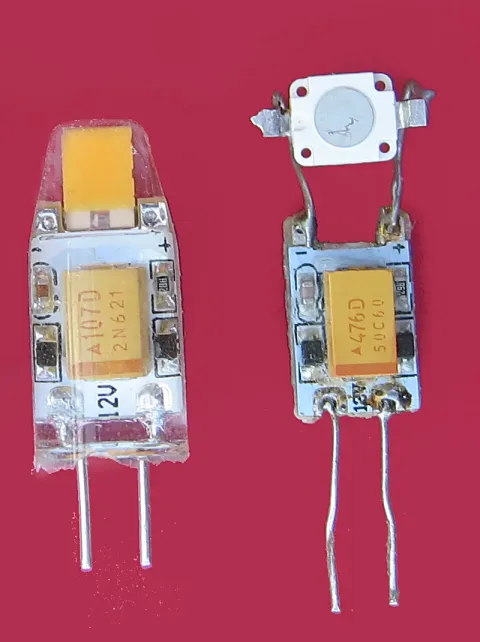
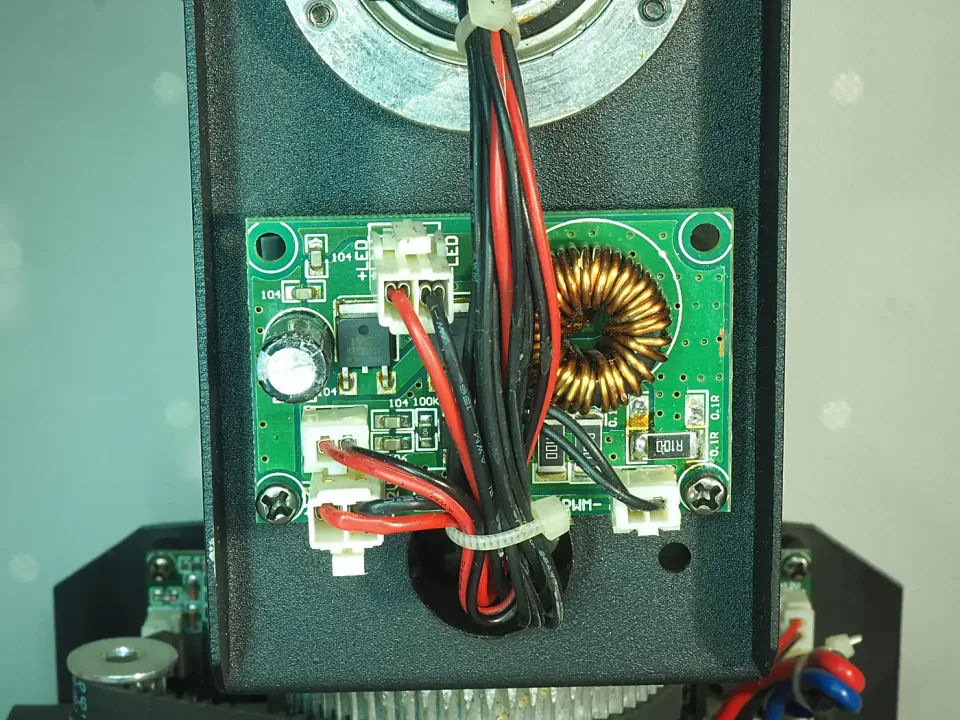
When an LED light dies, the chips are rarely the culprits — LED chips fade slowly over years, while the driver, the little power-supply box that feeds them, is what usually stops suddenly. This guide shows you how to prove the driver is guilty before you spend anything: read the symptoms, rule out the switch and the connections, and run a simple swap test with a known-good driver. Then it walks through the swap itself in the only safe order — power off at the board and proven dead, the old driver's numbers matched exactly (output current, voltage window, + to +), a brief test with your hands clear, and the fitting closed up again. It also draws the lines clearly: sealed bulbs are replaced whole, never opened, and anything burnt, damaged or unidentifiable is an electrician's job, not a weekend project.

Read article
Amit

How to choose the right driver for an LED light

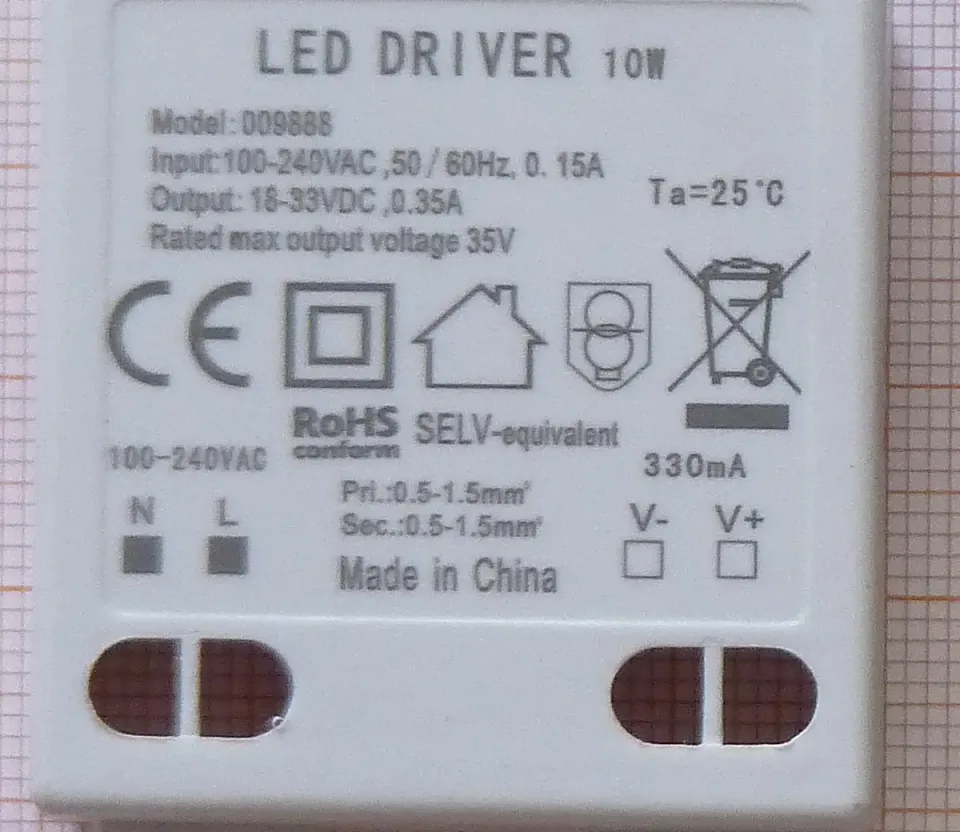
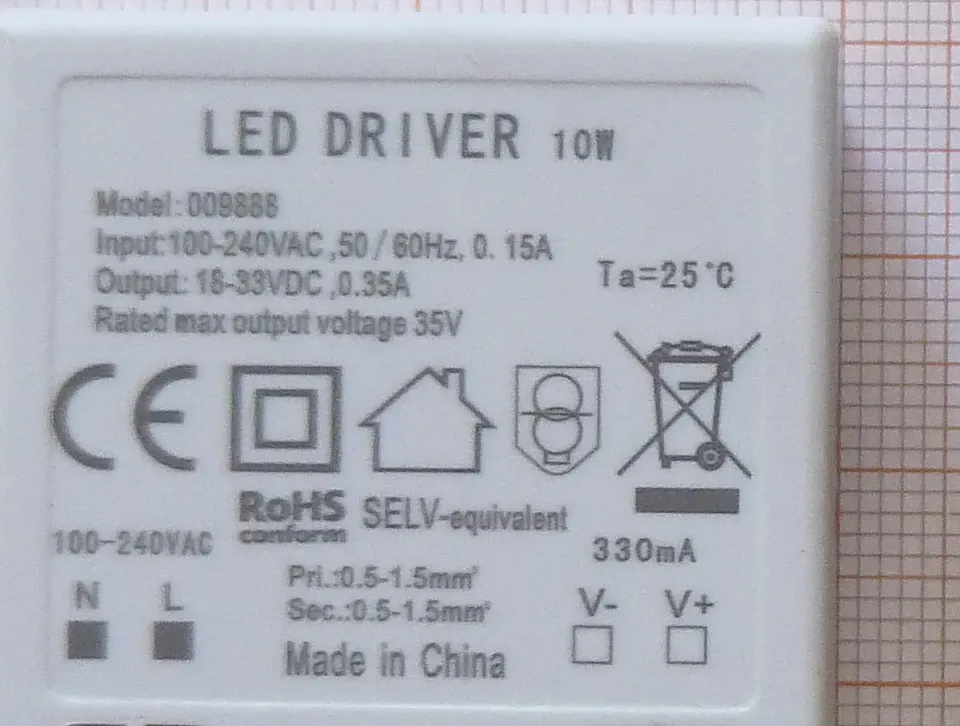
When an LED light dies, the LED itself is rarely the part that failed — it is usually the driver, the small box that turns mains electricity into the steady, controlled DC the LED can live on. And a replacement driver is not chosen by wattage alone, whatever the shelf label suggests. Choose by the wrong number and the light will flicker, run dim, run hot, or die a second time. This guide walks through the four checks in the order they actually decide things: read the old label properly, match the kind of driver — constant current or constant voltage — to the light, size the power with headroom to spare, and then check the extras everyone forgets: dimming, weather rating, physical fit and the safety marks on the case.

Read article

Amit

How to cut, join and power an LED strip properly

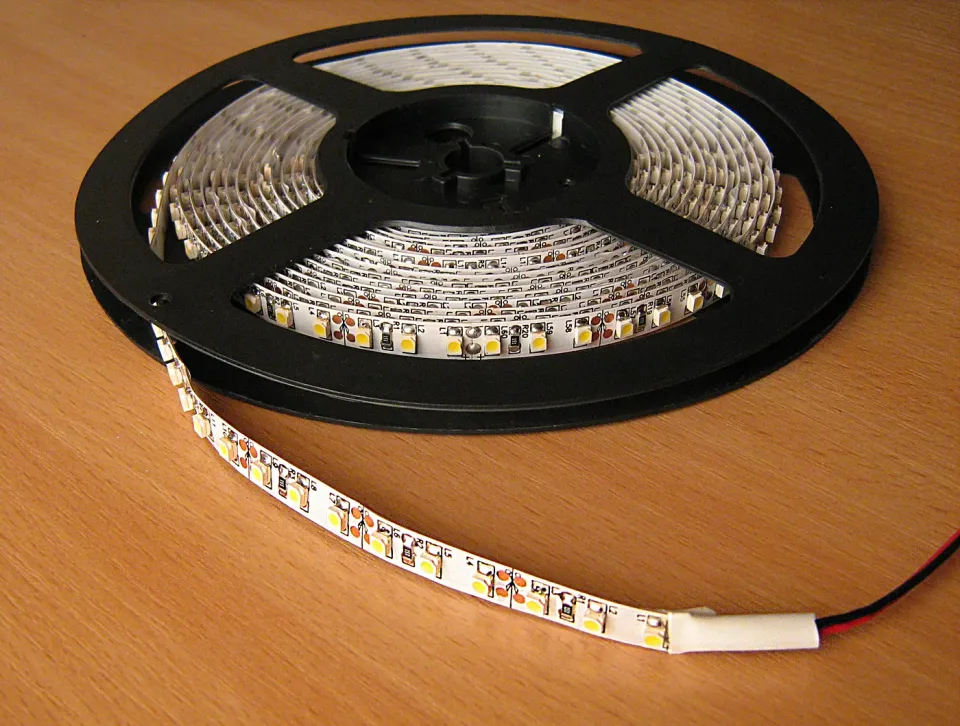
An LED strip looks like one long ribbon of light, but electrically it is a chain of small, independent segments — and almost every strip disaster (a dead section, a dim far end, a joint that flickers by Diwali) comes from forgetting that. This guide works through the job in the order it should be done. First, measure the run and do the one sum that matters — watts per metre times metres — and choose 12V or 24V with your run length in mind. Then cut, only ever at the scissor marks. Then join pieces back together, by clip connector or by solder, with the polarity lined up. Finally, power the run from a constant-voltage supply that matches the strip exactly, with wattage to spare — and never, ever switch a strip on while it is still wound on its reel.

Read article

Amit

LED lights around children, pets and plants: what actually matters at home

One evening lamp in a family home serves three very different audiences. A child reads under it, with eyes that the headlines keep warning you about. A dog dozes beneath it, seeing a different palette — and possibly a flicker you can't. Seedlings lean toward it from the windowsill, treating it as food. Each audience attracts its own set of warnings, and most of those warnings dissolve under scrutiny — but not all of them, and the ones that survive are genuinely useful. This post works through all three, claim by claim, using what ophthalmologists, veterinary researchers and university extension services actually say: why shaded fittings beat bare bright points for children, why dim and warm is the whole secret of the evening wind-down, what your dog's eyes register that yours don't, and why your plants care about the amount of light and the hours it runs — not the words on the box.

Read article

Amit

Dead LED lights and solar batteries: safe disposal and battery basics

Every home now has a small graveyard of dead lights: a bulb that faded, a strip that quit, a solar garden light that stopped bothering. The bin feels like the obvious ending, and it is the wrong one. In India a dead LED light is e-waste under the E-Waste (Management) Rules, 2022 — lighting equipment is written into the rules, and producers carry recycling targets they can only meet through registered recyclers. This post covers where a dead light should actually go, what recyclers recover from it, and the part most people never think about: the rechargeable battery hiding inside every solar light. How to tell a tired cell from a dangerous one, why swollen means stop, how to store spares safely, and why most "dead" solar lights need a new battery, not a funeral.

Read article

Amit

IP ratings decoded: what IP65, IP66 and IP67 actually promise

Two small digits decide whether an LED light belongs in your living room, your garden or your pond — and they are misread constantly. The first digit of an IP rating grades dust and solid objects, the second grades water, and each one names a specific laboratory test: a nozzle size, a flow rate, a depth, a number of minutes. This post decodes both scales exactly as the standard writes them, climbs the ladder you'll actually meet — IP20, IP44, IP65, IP66, IP67, IP68 — and then deals with the traps: why IP65 drowns, why a bigger water digit doesn't quietly include the smaller tests, why the rating lives or dies at the cable entry, and why a bathroom is really a map of zones. By the end you'll read any IP code the way an electrician does, and know what to buy for each spot.

Read article

Amit

LED driver safety: constant current, constant voltage, polarity and earthing

Every LED light has a translator between the wall socket and the chip: the driver. It takes mains AC in and serves the low-voltage DC an LED can actually eat — and almost everything about the light's safety is decided by which kind it is and how it is wired. This post explains the two driver families in plain words: constant current, which feeds most downlights and COB boards a fixed number of milliamps, and constant voltage, which feeds 12 V and 24 V strips a fixed voltage — and why swapping them is not a harmless experiment. It covers polarity, the earthing classes you can read off a label (including the square-inside-a-square symbol), why cheap non-isolated drivers deserve suspicion in metal fittings, and how to match a replacement driver by its output numbers rather than its shape.

Read article

Amit

LED heat: why an LED light is hot inside, and why its driver dies first

Hold a lit LED light and it feels barely warm — nothing like the scorching glass of an old bulb. That cool feeling is real, and it is also a trick. Almost none of an LED's heat leaves in the beam, so it stays inside, concentrated at a chip smaller than your fingernail. This post follows that heat on its journey — chip, board, heatsink, room air — and shows where the journey gets blocked: dusty fins, closed shades, recessed ceilings, hot roof spaces. Then it looks at what the trapped heat quietly does. It fades the chip, year by year, toward the point the industry calls L70. And it cooks the electronics feeding the chip, especially one small can-shaped part whose liquid insides slowly dry out. That, more often than the chip itself, is why a light that promised decades dies in a few years — and why the same light can thrive in one home and fail fast in another.

Read article

Amit

Why LED lights flicker — and how to stop it

Your LED light is probably pulsing right now — a hundred times a second, too fast for your eyes to catch directly. That pulse is not a defect in the LED chip; it is the fingerprint of the little power supply driving it, and how much of it reaches your eyes depends on how cheap that supply is. This post explains where the pulse comes from, why you notice it on ceiling fans and phone videos rather than on the bulb itself, and how the engineers who study it measure it — percent flicker, flicker index, and the two newer scores with the odd names. Then it gets practical: the four causes, ranked; a slow-motion phone test you can do tonight; the fixes, in the order to try them; and the one kind of flicker that is not a lighting problem at all, but a wiring problem that needs an electrician.

Read article

Amit

UV LED safety: using ultraviolet LEDs without hurting your eyes or skin

A UV LED is not a toy torch with a scary warning, and it is not a household light you can treat casually either. It sits in between, and where it sits depends on three things you can actually check: which band it emits (UVA, UVB or UVC), how much of it reaches you (intensity multiplied by time, cut fast by distance), and what its label tells you (the wavelength, and ideally an IEC 62471 risk group from RG0 to RG3). This post works through all three, then goes device by device — nail lamps, resin and curing lamps, UVC disinfection lights, UV torches — with the specific habits that keep each one safe: glasses that genuinely block UV, timers, shields, empty rooms for UVC, distance used properly, and the label red flags that should send a product straight back to the shelf.

Read article

Amit

How LED colours are made: phosphor, RGB and tunable white

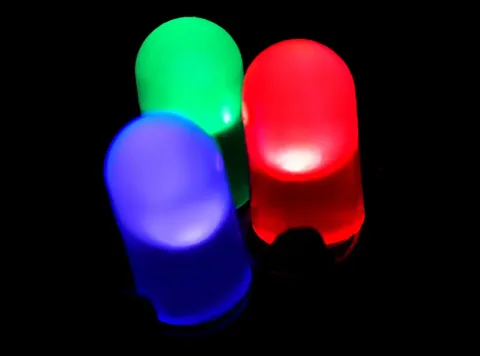
Every other light you own makes its colour at the surface — a filter, a coloured glass, a glowing filament. An LED makes its colour in the crystal itself, before it is ever switched on. The semiconductor's band gap decides whether the chip can only ever glow red, green or blue, which is why "white LED" is a small lie: no chip emits white. White is built afterwards, by coating a blue chip in phosphor, or by mixing separate coloured chips. This post walks through all three recipes — direct colour from the crystal, phosphor white and how its blend is tuned from warm to cool, RGB and RGBW mixing, and tunable white's two channels — then explains the factory sorting called binning, and why two bulbs with the same colour printed on the box can still clash on your ceiling.

Read article

Amit

An LED light is more than its chip — driver, heatsink and optics

Two LED lights can use near-identical chips and still live in different worlds — one runs for a decade, the other flickers out within a year. The difference is everything around the chip. Inside every LED light there is a small team of parts: the chip that makes the light, the driver that feeds it steady current, the heatsink that carries its heat away, the optics that aim the beam, and the housing that holds it all together. This post opens the fitting up, part by part — what each one does, how each one fails, and why heat quietly decides which lights grow old gracefully and which die young. It ends with the checks you can actually make in a shop: weight, metal, a stated driver type, and a warranty that means something.

Read article